
SERVING YOU WITH ENERGY

Written on: April 20, 2026
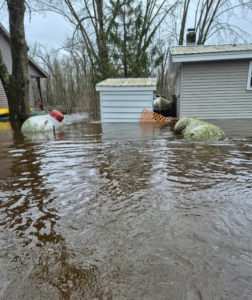 Spring weather in Northeast Wisconsin can change quickly! One day it’s calm, the next it’s heavy rain, strong winds, or severe storms moving through the area. After the weather clears, most homeowners focus on cleanup and getting things back to normal. It’s also a good time to take a few minutes to check around your propane tank. These propane tank safety tips can help make sure everything is still in good shape and working the way it should. Changing weather doesn’t just impact your home. Heavy rain, wind, and other severe conditions can also affect the ground, airflow, and space around your propane tank.
At Dale Gas & Oil, we’ve seen how changing conditions can impact outdoor equipment. We understand the impact Wisconsin weather can have this time of year and what to look for after a storm. Our team is here to help make sure your system stays safe and ready to use when you need it. Taking a few simple steps after a storm can go a long way in keeping your system safe and reliable.
After a storm, it’s a good idea to take a few minutes and walk around your propane tank. A quick check can help you spot anything out of the ordinary before it becomes a bigger issue.
Start with a simple walk around your propane tank. Look for any visible debris like branches, leaves, or other materials that may have been blown around. Clearing away debris helps keep the area safe and accessible.
Heavy rain and saturated ground can sometimes cause slight shifting. Take a moment to make sure your tank is still sitting level on its base. If anything looks uneven or out of place, it’s best to have it looked at rather than trying to adjust it yourself.
Storms can leave behind more than just visible debris. Make sure the area around your propane tank remains open and unobstructed. This helps ensure proper airflow and allows for safe access during service or delivery.
As you check around your tank, keep an eye out for anything that doesn’t look quite right. This could include dents, scratches, or anything that appears out of place after the storm. If something catches your attention, it’s always best to have it checked by a professional.
For additional propane safety information, you can refer to PERC.
With the amount of rain and flooding we’ve been seeing across the area this spring, it’s important to understand how rising water can affect your propane tank. In some cases, floodwaters can cause a propane tank to float if the ground becomes saturated. A floating tank can become dislodged and may even come into contact with nearby structures, trees, or other objects. If your tank is floating, turn off your propane tank and leave it off. Then call Dale Gas & Oil at 920-779-6666. After any flooding event, your propane system should be checked before being used again. Even if everything looks normal, water and debris can enter regulators and controls, which may create safety issues
Severe storms and tornadoes can bring strong winds, flying debris, and sudden impacts that may affect your propane tank and the surrounding area. After this type of weather, take a few minutes to look around your tank for anything out of place or signs it may have been impacted. Storm damage can include bent lines, damaged components, or debris that has come into contact with the system. It’s also important to be aware of your surroundings after severe weather. Downed power lines and other hazards can create unsafe conditions near your propane tank, so use caution when checking your property. If something doesn’t look right, avoid using the system until it can be checked.
Even without flooding, prolonged heavy rain can affect the ground around your propane tank. Soft or saturated soil may cause the tank to settle unevenly over time. It’s a good idea to check that your tank is still level and properly positioned after extended periods of rain. Heavy moisture can also impact the surrounding area which needs to remain clear for proper operation. Keeping an eye on these areas helps ensure your system continues to function safely. If anything looks different than usual, it’s best to have it inspected to ensure everything is operating safely.
If you notice anything unusual during your inspection, it’s always safest to reach out. Do not attempt to repair or adjust your propane tank or equipment on your own. A trained professional can make sure everything is operating safely.
At Dale Gas & Oil, our team is always here to help answer questions and provide support when you need it. Spring storms are a part of life in Northeast Wisconsin, and taking a few minutes to check around your propane tank after severe weather can help keep everything running smoothly. If you ever have questions or notice something that doesn’t seem right, Dale Gas & Oil is here to help. We’re proud to provide dependable service you can count on, no matter the season!