SERVING YOU WITH ENERGY


Few things say summer in Northeast Wisconsin quite like firing up the grill. Whether it’s burgers on a Tuesday night, brats for a family gathering, or a backyard barbecue with friends, grilling season has a way of bringing people together. Before your next cookout, a little propane grill preparation can help prevent surprises and keep the focus on good food and good company.
Grilling season is already underway, making now a great time to give your grill and propane tank a quick once-over. A few simple checks can help improve performance, support safe grilling practices, and keep your summer cookouts running smoothly.
When it comes to outdoor cooking, propane makes life easy. Propane grills heat up quickly, offer consistent temperatures, and give you more control over the cooking process. There’s no waiting for charcoal to get hot or guessing whether the grill is ready. Just turn it on, set the temperature, and start cooking. One of propane’s biggest advantages is consistency. That’s one reason propane remains one of the most popular fuels for outdoor grilling across the country. Propane delivers steady heat throughout the cooking process, helping reduce hot and cold spots that can make it difficult to cook food evenly.
For busy families, that’s hard to beat. Whether you’re grilling dinner after work or feeding a crowd on the weekend, propane makes outdoor cooking simple, reliable, and ready when you are.
By now, many grills across Northeast Wisconsin have already seen their share of burgers, brats, and backyard dinners. That’s exactly why it’s worth taking a few minutes to give yours a quick inspection. Regular use can lead to grease buildup, clogged burners, worn hoses, and other issues that affect performance. In some cases, clogged burners can cause uneven heating, resulting in some areas of the grill cooking hotter than others. A quick check now can help your grill heat more evenly, cook more efficiently, and stay in good working condition throughout the summer.
A few things worth checking include:
Routine maintenance helps your grill perform better and can extend its lifespan. It’s also one of the most important parts of propane grill preparation, helping ensure your equipment is ready for the busiest months of summer.
If there’s one thing that can bring a cookout to a halt, it’s running out of propane halfway through the meal. Summer calendars tend to fill up quickly. Between graduation parties, Father’s Day celebrations, camping trips, and holiday weekends, grills often get more use than expected. That’s why it’s a good idea to check your propane supply before your next gathering.
If your grill is taking longer to heat up, producing weaker flames, or struggling to maintain temperature, your propane cylinder may be running low. Stopping in for a propane cylinder refill before your next cookout can help ensure you have the fuel you need when it’s time to fire up the grill. A quick refill now is often easier than making a last-minute propane run when guests are already arriving.
Safe grilling starts with a few basic habits.
Before using your grill, inspect hoses and connections for signs of wear. A simple soap-and-water solution can help identify leaks. If bubbles continue to form around a connection, turn off the propane supply and address the issue before using the grill.
Always transport propane cylinders in an upright position and secure them during transport. Once you arrive home, remove the cylinder from your vehicle and store it in a safe, outdoor location.
Propane grills should only be used in open, well-ventilated outdoor spaces. Never operate a grill inside a garage, shed, or enclosed structure.
Grease buildup can lead to flare-ups and increase fire risks. Regular cleaning helps your grill operate more safely and efficiently throughout the season.
Many people are surprised to learn that propane cylinders must be periodically inspected and recertified before they can continue to be refilled. If you’ve had the same propane tank for years, it may be worth checking the manufacture date stamped on the cylinder. That date helps determine whether a tank is still eligible for refilling or if it may need recertification first. Older tanks may require recertification to ensure they continue to meet safety standards.
The good news is that recertification doesn’t necessarily mean replacing the tank. In many cases, a qualified inspection can keep your cylinder safely in service and ready for many more cookouts.
The best cookouts aren’t really about the grill. They’re about gathering with family, catching up with friends, and enjoying a beautiful Wisconsin evening. A little propane grill preparation now can help keep the focus where it belongs: on good food, good company, and making the most of summer.
At Dale Gas & Oil, we’re proud to help Northeast Wisconsin families make the most of grilling season. From propane cylinder refills to cylinder recertification, our team is here to help keep your grill ready for summer. Stop by or contact us with any questions. We’re always happy to help.
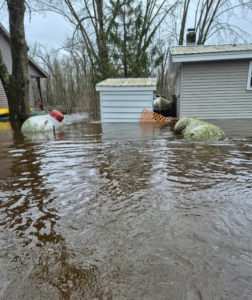 Spring weather in Northeast Wisconsin can change quickly! One day it’s calm, the next it’s heavy rain, strong winds, or severe storms moving through the area. After the weather clears, most homeowners focus on cleanup and getting things back to normal. It’s also a good time to take a few minutes to check around your propane tank. These propane tank safety tips can help make sure everything is still in good shape and working the way it should. Changing weather doesn’t just impact your home. Heavy rain, wind, and other severe conditions can also affect the ground, airflow, and space around your propane tank.
At Dale Gas & Oil, we’ve seen how changing conditions can impact outdoor equipment. We understand the impact Wisconsin weather can have this time of year and what to look for after a storm. Our team is here to help make sure your system stays safe and ready to use when you need it. Taking a few simple steps after a storm can go a long way in keeping your system safe and reliable.
After a storm, it’s a good idea to take a few minutes and walk around your propane tank. A quick check can help you spot anything out of the ordinary before it becomes a bigger issue.
Start with a simple walk around your propane tank. Look for any visible debris like branches, leaves, or other materials that may have been blown around. Clearing away debris helps keep the area safe and accessible.
Heavy rain and saturated ground can sometimes cause slight shifting. Take a moment to make sure your tank is still sitting level on its base. If anything looks uneven or out of place, it’s best to have it looked at rather than trying to adjust it yourself.
Storms can leave behind more than just visible debris. Make sure the area around your propane tank remains open and unobstructed. This helps ensure proper airflow and allows for safe access during service or delivery.
As you check around your tank, keep an eye out for anything that doesn’t look quite right. This could include dents, scratches, or anything that appears out of place after the storm. If something catches your attention, it’s always best to have it checked by a professional.
For additional propane safety information, you can refer to PERC.
With the amount of rain and flooding we’ve been seeing across the area this spring, it’s important to understand how rising water can affect your propane tank. In some cases, floodwaters can cause a propane tank to float if the ground becomes saturated. A floating tank can become dislodged and may even come into contact with nearby structures, trees, or other objects. If your tank is floating, turn off your propane tank and leave it off. Then call Dale Gas & Oil at 920-779-6666. After any flooding event, your propane system should be checked before being used again. Even if everything looks normal, water and debris can enter regulators and controls, which may create safety issues
Severe storms and tornadoes can bring strong winds, flying debris, and sudden impacts that may affect your propane tank and the surrounding area. After this type of weather, take a few minutes to look around your tank for anything out of place or signs it may have been impacted. Storm damage can include bent lines, damaged components, or debris that has come into contact with the system. It’s also important to be aware of your surroundings after severe weather. Downed power lines and other hazards can create unsafe conditions near your propane tank, so use caution when checking your property. If something doesn’t look right, avoid using the system until it can be checked.
Even without flooding, prolonged heavy rain can affect the ground around your propane tank. Soft or saturated soil may cause the tank to settle unevenly over time. It’s a good idea to check that your tank is still level and properly positioned after extended periods of rain. Heavy moisture can also impact the surrounding area which needs to remain clear for proper operation. Keeping an eye on these areas helps ensure your system continues to function safely. If anything looks different than usual, it’s best to have it inspected to ensure everything is operating safely.
If you notice anything unusual during your inspection, it’s always safest to reach out. Do not attempt to repair or adjust your propane tank or equipment on your own. A trained professional can make sure everything is operating safely.
At Dale Gas & Oil, our team is always here to help answer questions and provide support when you need it. Spring storms are a part of life in Northeast Wisconsin, and taking a few minutes to check around your propane tank after severe weather can help keep everything running smoothly. If you ever have questions or notice something that doesn’t seem right, Dale Gas & Oil is here to help. We’re proud to provide dependable service you can count on, no matter the season!

Winter might be winding down, but your heating system isn’t off the hook yet! Between cold snaps and unpredictable spring weather, your home still needs dependable heat. That’s where propane continues to stand out as a reliable option for residential heating.
If you’ve lived through a Midwest winter, you know one thing for sure: Your residential heating system has to work. No guessing. No waiting. No cutting corners. Even as we move into spring, colder days and chilly nights still stick around, which means your heating system still needs to do its job. Because of that, many homeowners across Northeast Wisconsin continue to rely on propane. At Dale Gas & Oil, we’ve been helping families stay warm for generations, and we’ve seen firsthand why propane continues to be a trusted choice for residential heating.
It may technically be spring, but that doesn’t automatically mean warm weather. Cooler mornings, late-season cold snaps, and fluctuating temperatures mean you’re still putting your heating system to work. Propane delivers strong, consistent heat and warms your home quickly making it a fuel source you can depend on. Propane systems produce a high level of heat output, which means your home reaches a comfortable temperature faster and maintains it more evenly, even as outdoor conditions and temperatures change. That kind of performance still matters this time of year, when winter hasn’t quite let go and spring can still bring unpredictable weather, the kind of reliability propane brings keeps your home comfortable as winter transitions into spring.
One of the biggest advantages of propane for residential heating is its efficiency, meaning more of the energy you pay for is actually used to heat your home. Modern propane furnaces and boilers can reach efficiency ratings of up to 98%, meaning nearly all the energy is used to heat your home! Less wasted energy means your system works smarter, not harder, and when paired with proper insulation and regular maintenance, propane can help reduce overall energy usage while keeping your home comfortable. During the transition from winter to spring, when temperatures fluctuate throughout the day, that efficiency becomes even more valuable, allowing your system to respond to changing conditions without wasting energy.
As the seasons begin to shift, homeowners often look for ways to better manage heating costs. Even though winter is winding down, your heating system is still in use, and efficiency remains important. Because propane systems use fuel efficiently, they help maintain a comfortable temperature without unnecessary energy use, which can help reduce overall heating costs over time. Propane pricing also tends to be more stable than electricity, which can fluctuate more dramatically, making it easier to plan and manage expenses. Dale Gas & Oil makes propane readily available across our service area, so you can count on having the fuel you need when you need it.
More and more homeowners are thinking about efficiency and their environmental impact, and the type of fuel you use for residential heating can play a role in both. Propane is a clean-burning fuel that produces fewer emissions than many traditional energy sources. When burned, it releases lower levels of carbon dioxide and other emissions than fuels like heating oil or coal. It is also not classified as a hazardous air pollutant under the Clean Air Act. For homeowners looking to balance performance with environmental responsibility, propane offers a practical and effective solution.
As the seasons change, propane continues to provide value beyond your primary heating system. Its versatility makes it a reliable energy source year-round, not just during the coldest months. It can be used across multiple systems and appliances, making it a flexible energy solution for many homes.
Many homeowners use propane for:
Water heaters
Cooking appliances
Fireplaces
Backup generators
This versatility allows you to rely on one dependable fuel source for multiple needs, especially in rural areas where other energy options may be limited.
Choosing the right fuel matters, but so does choosing the right company! Seasonal transitions can be unpredictable, and having a trusted provider ensures your home stays comfortable, even when temperatures fluctuate. For more than 75 years, Dale Gas & Oil has provided dependable propane delivery to homes across Northeast Wisconsin. As a locally owned company, our team understands the demands of the region, and with options like Autofill automatic delivery, you can get your propane with no work and no worries.
Every home is different, and the best heating setup depends on your needs, your space, and how you use energy. If you’re exploring propane for residential heating, our team is here to help you find the right solution. With propane, you get more than just heat. You get reliability, efficiency, and peace of mind year-round. Have questions or want to learn more? Contact Dale Gas & Oil today!
 Food trucks have come a long way from basic sandwiches and tacos. Today’s mobile kitchens are serving up creative, high-quality cuisine—and often setting the trends the rest of the food world follows. Plenty of five-star restaurants got their start on four wheels, and propane is what keeps those kitchens cooking.
Dale Gas helps you stay fueled, mobile, and ready to serve. Our commercial propane team understands the fast pace and unique schedules of food truck operations, and we’ll tailor a propane program that fits the way you work—so you can focus on the food, not the fuel.
There’s a reason professional cooks prefer cooking with gas. Whether you’re a grill cook turning out burgers for a busy lunch rush or a five-star chef serving food lovers at an exclusive gastropub, nothing beats the combination of high heat and precise control you get with gas. It’s a level of performance other cooking methods just can’t match.
That kind of control is essential for delivering consistent quality to your customers—so why give it up just because you’re cooking out of a truck?
Compared to electric cooking, propane heats faster, burns cleanly, and costs an average of 2.5 times less per Btu than electricity, according to the U.S. Department of Energy. Propane is also extremely safe, with a very narrow range of flammability.
Propane also delivers reliable, consistent power. You could outfit a food truck with electric cooking equipment, but battery power gradually drops—and you’re limited to spots where you can plug in. With a propane cylinder, you get full, steady performance right up until the tank is empty.
With our convenient, customized commercial propane delivery program, we’ll work with you to tailor a delivery schedule to fit your usage patterns, whether you need daily or weekly deliveries. You can also opt for will-call deliveries if your usage is seasonal or less predictable. Depending on the size of the propane tanks you use, you may be able to take advantage of our commercial tank refill and exchange service.
Propane is very safe. But it still requires training to ensure cylinders are handled and installed properly and the truck and its staff adhere to all National Fire Protection Association guidelines for propane food truck safety.
We will work with you to train your employees in the safe handling of propane cylinders, including how to inspect the equipment before each use, location and use of fire extinguishers, proper procedure for shutoff, simple leak tests, and more.
Customers are paying attention to your carbon footprint—whether it’s paper straws instead of plastic, or paper boxes over Styrofoam containers—they want to know you care as much as they do. And when it comes to environmental impact, propane gas wins hands down over a loud, smelly diesel generator. Propane burns cleanly, and produces minimal emissions.
Let Dale help you maximize the potential of your food truck or catering business. Contact us today to learn more about our propane cylinder exchange for your mobile food service business today!
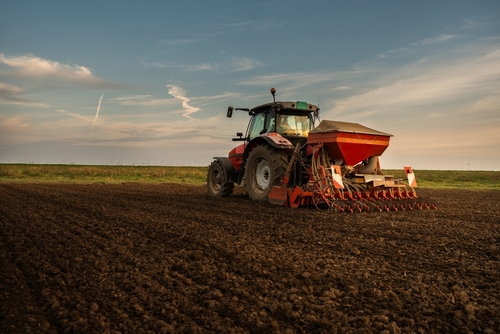 Running a farm is a round-the-clock commitment—especially when livestock is part of the picture. So much of what you do depends on factors you can’t control, from the weather to market conditions. That’s why it’s important to take care of the things you can control. Diesel fuel is important to keeping most agricultural operations running smoothly, so finding a diesel provider you can count on is a great way to do this.
When you have the right partner, keeping your farm equipment fueled and running well is easy. Here are three things to look for when you’re looking at a diesel provider:
Here are some things to keep in mind before you buy your next batch of diesel fuel from a retail gas station:
Dale Gas & Oil has been serving the farms and agricultural operations in northeastern Wisconsin for 75 years and counting. We’re here to help, with the right products and prices, and the experience to understand what you need.
When it comes to providing quality diesel fuel deliveries at fair prices, there’s a reason so many farmers choose us. It’s time to experience our great service and find out for yourself.
If you need reliable on- or off-road diesel at fair prices for your farm, contact the team at Dale today.
 If you already rely on propane to heat your home or cook your meals, you know how efficient and comfortable it makes everyday living. But propane’s benefits don’t stop there. This versatile fuel can power so much more than your furnace or range—it can bring added comfort, convenience, and even a little fun to every corner of your home.
Because propane delivers powerful heat efficiently, it’s a smart, ecofriendly alternative to electricity for many household appliances that use heat or hot water—like dryers, dishwashers, and space heaters. And it’s not just about practicality. Propane also fuels lifestyle upgrades that add enjoyment and boost value to your home. Think cozy indoor fireplaces, outdoor lighting, patio and pool heaters, and of course, your grill.
Here are some of the best ways to put propane’s performance to work throughout your home—inside and out.
A propane fireplace brings all the ambiance and warmth of a wood-burning fireplace to any room, without the mess, smoke, and ash. And unlike a traditional fireplace, you can install a propane-fueled fireplace just about anywhere: living room, dining room, bedroom, even the kitchen. Imagine the luxe, spa-like glamour of a fireplace in your master bath!
A comfortable outdoor living space can feel like an addition to your home, and propane can help extend the seasons. Adding safe and efficient propane patio heaters can let you enjoy your outdoor spaces earlier in the spring and later into the autumn. Fire pits and fire bowls are an attractive focal point and gathering space for entertaining friends and family. And propane-fueled pool and spa heaters will warm up the water much faster than an electric heater, and maintain the temperature better once the water is warm. As a result, propane pool heaters help you keep heating costs under control, while letting you enjoy your pool or spa more.
If you have a propane range in your kitchen, you already know that nothing beats the precision and control you get cooking with gas. That’s why it’s the first choice of professional chefs in the kitchen—but it delivers the same precise temperature control on the patio. A propane grill makes outdoor cooking as easy as turning on your kitchen cooktop: Flip a switch, turn a knob and set your heat level. There’s less waiting time, too, because a propane grill is hot and ready to go in about 10 minutes. Compare that to 30 minutes or more to get charcoal hot.
Propane wall and space heaters make it easy to heat spaces your heating system doesn’t reach—like additions, sunrooms, attics, workshops, and garages. They’re also more attractive—and safer—than portable units.
What’s a better upgrade than peace of mind? When storms knock out power, a propane-fueled backup generator will keep your lights on, your refrigerator running and everything else powered up until the utility companies can make repairs. What’s more, a whole house generator can really boost your home’s value and even get you a lower rate on your homeowner’s insurance.
Don’t miss out on all the benefits this versatile fuel can deliver. From practical appliances to make your day-to-day easier, to easy upgrades to make your home feel more welcoming, propane packs power. The experts at Dale Gas have the experience and knowledge to answer all your questions and help make adding propane to your northeastern Wisconsin home easy. We’ll make sure you have the right size propane storage tank for your needs, and provide with great propane services like automatic delivery, smart payment plans to help keep costs manageable and so much more.
Contact us to become a customer today.
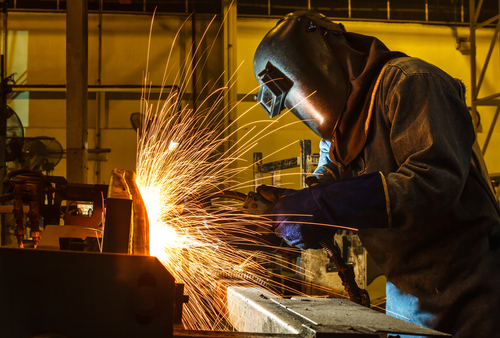 One fuel, so many uses: Propane’s versatility is what makes it such a great option for commercial uses. It can be used for heating, for operating machinery, and even running vehicles. What’s more, propane is better for the environment—and your bottom line. Compared to other heating fuels, including electricity, propane:
Here are just a few of the industries and commercial applications of propane. Imagine how it could work for your business!
Propane delivers consistent heat ideal for warming livestock barns, hatcheries, and greenhouses. It’s nontoxic, and can’t “spill” so it can’t harm soil or groundwater. Clean-burning propane can power much of your landscaping and agricultural equipment, from commercial mowers to irrigation engines.
Propane also puts less wear on equipment, keeping it out of the shop and keeping your operations running smoothly.
Warehouse management, construction, and industrial facilities rely on forklifts. Let our team show you why propane fueled forklifts will keep your operation running smoothly with less downtime. Here are just a few of the advantages:
Propane’s versatility is a plus for your business or job site. In addition to forklifts, propane can be used to power a wide range of equipment, including:
Professional chefs prefer gas for cooking. Hotels, hospitals, nursing facilities all benefit from propane for cooking, water heating and space heating, as well as for industrial washers and clothes dryers, just to name a few.
Propane is a quick and clean source of heat that offers flexibility and efficiency. From industrial uses, such as portable heat on job sites, to practical applications, like tankless water heaters for handwashing in employee breakrooms, locker rooms and bathrooms, propane performs.
Quick heat, small carbon footprint, and great value, with a versatile range of uses: These are just a few of the reasons propane is a great solution for commercial applications. Manufacturing, construction, warehousing, agriculture, landscaping, hospitality, and a broad range of other industries all rely on commercial propane. If you’re looking for a fuel that offers good value and great efficiency, talk to the commercial propane team at Dale about all the ways propane can add value to your operation.
Contact us for more information today.
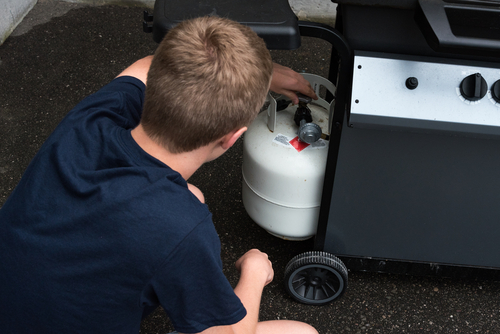 It’s game day! The burgers are seasoned, the chicken wings are marinated, and the crowd is ready for kickoff. But just as you fire up the grill, you hear a strange hissing sound or notice your flames aren’t what they should be. Nothing ruins a fall football cookout faster than a grill that won’t cooperate—or worse, a leaking propane grill tank.
If you hear hissing near your propane cylinder, immediately shut off the gas and extinguish all flames. On a hot, sunny day, that sound could be the pressure-relief valve doing its job as propane expands. It will close automatically once pressure returns to normal—you can help cool the tank by spraying it with water from a hose.
If the hissing continues or happens when it’s not particularly warm, it may be a leak. Here’s how you can check safely and easily:
If bubbling continues, disconnect the tank, move it to a well-ventilated area, and let it empty completely. Once it’s empty, return it to your propane provider. Never attempt to transport a leaking cylinder.
If the flames from the burners are orange or yellow, something is clogging the burner. Spiders, dust, and leaves are the usual culprits. Make sure the grill is cool, then clean the burners thoroughly. After cleaning, run the grill on high for about 15 minutes to burn off any lingering debris.
Weak flames usually point to a regulator issue. Try turning everything off—including the propane cylinder—and disconnect the regulator. Wait five minutes, then reconnect it and slowly open the cylinder valve. Wait another minute, then relight the grill.
No flame at all? That’s usually an igniter problem. Battery-powered igniters may just need new batteries. For piezo igniters (the type without batteries), try lighting the burners with a match. If that works, check for cracks in the ceramic tube or loose wires. If you still can’t get a spark, you may need professional service.
This is the easiest problem to fix: Dale Gas offers safe and convenient tank refills at our Dale, WI location. It’s always smart to have a spare cylinder on hand. And ask about cylinder refill specials!
For cylinder refills or propane deliveries for your home, find out why families and businesses in Outagamie, Waupaca, and Shawano Counties, WI, trust Dale Gas for all their propane service needs. Contact us for more information and hours.
 An empty propane tank is not just a hassle. It’s also expensive: Runouts can result in pressure problems and leaks, so we are required to perform (and charge you for) pressure testing. That’s why it’s important to know how to check your propane tank level—especially if you’re a will-call customer.
The good news is that checking the gauge on your propane tank is as easy as reading the fuel gauge in your car. Here’s what you need to know.
The even better news is that Dale Gas offers easy solutions so you don’t need to remember to check your propane tank levels. Still, knowing how to read the gauge is a good skill to have.
If you have an above-ground propane storage tank, the gas gauge is at the top of the tank, under a lid or dome. If you have an underground tank, the gauge will be near the fill pipe.
You’ll see a dial that looks a lot like a speedometer, with numbers going around the edge, and a single pointer. The numbers indicate what percent of gas is in your tank.
Keep in mind that because propane needs room to expand, your tank will never be filled to more than 80%. Always call for a delivery before your tank falls below 20% so we have time to schedule a delivery. Call when it hits 30% in the winter.
If your tank falls below a certain level, you could lose pressure, which can lead to problems with equipment, including your propane-fueled furnace or boiler.
Remember that propane contracts when it’s cold. When it’s extremely cold outside, the volume of propane inside your aboveground propane tank will shrink, which creates a loss of pressure. An underground tank will not be affected by cold because it’s insulated.
Dale Gas offers free auto-fill service so you don’t need to remember to check your gauge or schedule propane deliveries—even when it’s been extra cold. Thanks to a proven industry algorithm based on your past usage and average daily temperatures, we can calculate your propane use and makes sure we fill your propane tank on time. Auto-fill deliveries mean you don’t have to worry about checking your propane tank gauge, and you can rest easy knowing we won’t let you run out.
Auto-fill service makes things easier on our end too: We are better able to plan deliveries using the most efficient routes to get to everyone quickly. That saves time and money—savings we can pass on to you. You don’t even need to be home for the delivery.
If your propane use fluctuates a lot—for example seasonal homeowners, people running rental properties, or homeowners who use propane exclusively for things like gas fireplaces, auto-fill service may not work. For those customers, our wireless propane monitor is a genius solution. It tracks the level of propane in your tank in real time, and transmits your usage via wireless cellular technology. When the tank gauge reaches a pre-set level, the monitor alerts us—and you—directly via a wireless mobile app—and sets up a delivery.
We love the technology that makes all this possible, but of course, we still believe in old-fashioned customer service. That’s why our friendly and knowledgeable team is always happy to take your call and answer any questions
Contact us today to sign up for worry-free deliveries or ask about our propane tank monitors.