
SERVING YOU WITH ENERGY

 When it comes to chores, nobody is looking for more tasks. Even an easy call, like setting up a propane delivery, can fall few the cracks in a busy schedule. And that can mean a big hassle: A propane runout can result in pressure problems and more. Knowing when to call for a propane delivery can help you avoid those issues, but signing up for our autofill program can take that item off your to-do list for good.
The best time to call for propane is when the gauge on your tank hits 30%. That lets us know you’re running low, but gives us time to schedule your delivery rather than make an emergency trip.
An emergency fill-up costs extra, not to mention the expense of a leak test for safety. What’s more, when propane levels get too low, air can get into your system, which can lead to expensive damage.
Make sure you know where to find your tank gauge and how to read it. If you have an above-ground propane storage tank, you’ll find the gas gauge right at the top of the tank, usually under a lid or dome. On underground tanks, the gauge is near the fill pipe. The gauge looks a lot like a speedometer, with numbers going around the edge, and a single pointer. The numbers indicate what percent of gas is in your tank.
If you’d like an easier way to make sure you never run out of propane, you should sign up for our free, convenient autofill service. With autofill, we automatically deliver propane when you need it. This eliminates the need to check the level of propane in your tank and the need to call to schedule a delivery.
We use a proven industry method to calculate your fuel use. We work with an algorithm that is based on your past usage and average daily temperatures to make sure we can fill your tank on time. Another advantage to automatic deliveries is that we can plan our routes more efficiently, which helps us save money—savings we can pass on to you.
We also offer wireless tank monitoring. This option is great if your propane use is not as predictable—for example if you use propane mainly for a fireplace or supplemental heat, or if it’s a second home.
Wireless tank monitors track the level of propane in your tank in real time, and transmit your usage via wireless cellular technology. When the tank gauge reaches a preset level, the monitor alerts us—and you—directly via the wireless mobile app.
In addition to timely alerts, the app gives you even more control and insight. You can use it to easily track and adjust your monthly energy consumption—and save on energy costs.
If you’re ready to knock a task off your ever-growing to-do list, sign up for Autofill and enjoy the peace of mind of automatic propane deliveries. Or ask if a wireless monitor could be right for you. Contact us for more information today!
 A bit more rust, a few more dings and dents: Maybe your trusty propane tank cylinder has seen better days. Rather than try to eke out one more summer, you might be thinking about disposing of it and replacing it with a new tank.
If you come to Dale Gas for your refills, we’ll let you know if it’s time to replace it—and we can handle disposing of your old tank properly. We accept most sizes for recycling—and we’ll let you know where you can take any cylinders we don’t accept. Typically, one-pound tanks should go to your local hazardous waste or recycling center. They cannot be left curbside, and must be completely empty. These tanks come with a key to allow you to release any remaining propane before dropping it off.
While a propane grill tank is metal and looks a lot like a can, you cannot put it in with your other recycling. If for some reason, you can’t bring your old tank to us, it’s important that you dispose of it properly.
One of the main reasons is that if the cylinder is not completely empty of propane gas, it could explode when it is run through the various machinery at the recycling center. This is the same reason that you can’t just put it in your regular trash.
Consult the public works department or hazardous waste management office to ask where and how to dispose of old tanks.
You might ask why bother with owning a portable tank. And there’s a lot to love about the convenience of swap-and go tank exchange and the ease of not worrying about the age or condition of your tank.
But smart customers love the savings they get by refilling. When you own your propane grill tank and refill it, you can save money in a few ways.
First, you’ll save on the price of the propane. The difference can be up to $1.75 per gallon! Dale offers refills for just $10.88 on weekdays and Saturday mornings till noon.
You also save because you’ll pay only for the propane you use. When you choose to refill your propane tank, you’re only buying the propane to fill the rest of your cylinder.
Think about it: When you swap out a cylinder, you’re charged for all the propane in the cylinder—including the propane left in the tank when you take it to be exchanged. That’s because for most folks, the instinct is to take the tank in to exchange before you run out. So unless you run them until they’re completely empty, you could be wasting half a tank or more over the span of a few tanks.
Dale gas makes it easy to keep the good times going with easy grill tank sales and refills. Just come by our store to fill up your tank or pick up a spare. Contact us today more information!
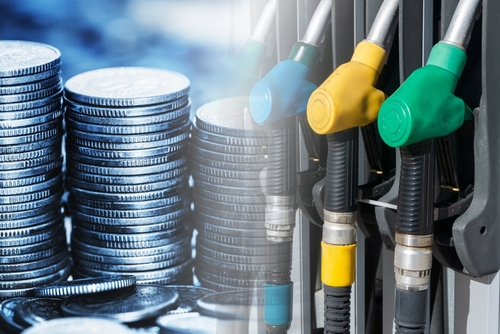 When you need to fill up a fleet of heavy-duty trucks or construction vehicles, diesel fuel prices are a constant point of concern. While it’s easy to notice prices rising or falling at the pump, understanding the why behind these changes is more complex. Diesel prices are influenced by a combination of taxes, production costs, and market demand—factors that can shift quickly. Meanwhile, diesel has on-road and off-road uses that make it indispensable for many businesses. But the cost of fueling up can really hit your bottom line.
The federal motor fuel excise tax is 18.4 cents per gallon for gasoline, but it’s 24.4 cents per gallon for diesel. States also impose their own taxes, that are also higher on diesel. In Wisconsin, the total state taxes on diesel fuel amount to 32.9 cents per gallon, comprising two components: a motor vehicle fuel tax of 30.9 cents per gallon, and a petroleum inspection fee of 2 cents per gallon.
Diesel starts its life as crude oil, and fluctuations in crude oil prices directly impact diesel production costs. When global crude prices spike—due to geopolitical instability, natural disasters, or production cuts from major oil-exporting countries—the cost to refine and distribute diesel rises.
Diesel is also more energy-intensive to refine than gasoline, which means refining capacity plays a crucial role. If refineries are offline for maintenance or due to unexpected disruptions, supply tightens and prices typically go up. A 2014 Environmental Protection Agency standard requires all diesel to limit its sulfur to 15 parts per million. This lowered diesel emissions significantly, but it also raised the expense of refining it.
Finally, seasonal factors, such as the shift to winter blend fuels or hurricane season in the Gulf Coast, can also influence diesel supply and pricing.
Demand is always higher for diesel. Freighters, tractors, trains, forklifts, construction equipment all need diesel to run, and that demand is steady. But one barrel of crude oil only produces about 11-12 gallons of diesel, compared to 19-20 for gasoline. That keeps supply tight.
Of course during economic slowdowns or off-peak construction seasons, demand can dip and prices may fall—but your business may be slowing as well, along with your need for diesel.
As a local, independent fuel company, we can’t do much to lower taxes or refining costs, or control the other factors that drive up diesel prices. But Dale Gas & Oil’s commercial fleet fueling services team can help you save time and money. Our wholesale pricing and bulk fuel discounts can help you can save money on the fuel you need to run your fleet. And on-site fueling keeps your fleets on the road and on the job—rather than filling up at the gas station.
Our commercial and business partnerships are important to us, and we provide the same superb and attentive service to our commercial accounts as to our residential clients. We’re committed to delivering real value that goes beyond competitive prices.
Contact us for more information about commercial on- and off-road diesel fuel delivery now to become a customer today.
 If you’ve ever run out of propane, you know how much of a hassle it is. It’s more than just an inconvenience: an emergency fill-up costs extra, and you’ll also need to pay for a leak test to ensure safety. Even letting your tank get too low can cause problems. When propane levels drop too low, air can get into the system, leading to potentially expensive damage. As a general rule, you shouldn’t let your tank’s propane level fall below 30%.
But who has time to constantly check propane tank levels? We get it. The good news is, it’s easy to ensure you always have enough propane in your tank to avoid runouts and low-pressure issues. Read on to learn how to cross not one, but two chores off your to-do list for good.
Our Autofill service is a customer favorite and a great way to prevent runouts. It’s exactly what it sounds like: we automatically deliver propane when you need it. This free service eliminates the need to check your tank’s level or call to schedule a delivery.
Sounds like magic, right? So, how does it work?
It’s not a crystal ball. We use a proven industry method to calculate your fuel usage. Our algorithm is based on your past usage and average daily temperatures, ensuring we can fill your tank right on time.
Many of our customers love the peace of mind that comes with our automatic delivery service. But Autofill relies on fairly consistent propane use. If your usage varies—say, for a second home, or if you travel frequently, or only use propane for seasonal appliances like a fireplace—this might not be the best solution for you.
That’s why we offer real-time accuracy through our wireless propane tank monitoring service.
Wireless tank monitors track the level of propane in your tank in real time and transmit your usage via wireless cellular technology. When the tank reaches a preset level, the monitor alerts both us and you via the mobile app.
Along with timely alerts, the app also gives you more control and insight. You can use it to track and adjust your monthly energy consumption—helping you save on energy costs.
If you prefer to monitor your tank levels yourself, it’s important to check your gauge regularly to avoid running too low. The best time to call for a delivery is when your tank reaches about a quarter full. This gives us ample time to schedule a delivery before you run out.
No matter which option you choose, we still believe in old-fashioned customer service. Our friendly, local customer service representatives are always happy to take your call and answer any questions.
Contact us today to learn more and sign up for worry-free automatic deliveries.
 If you love grilling, chances are you have more than one propane tank on hand. Maybe you like to keep a backup tank for uninterrupted cookouts. Perhaps you have tanks for a patio grill, a portable grill, and propane for an RV. For one tank, or more, proper storage and organization are key to safety and convenience. Here’s how to store and manage your grill tanks like a pro.
Propane tanks should always be stored outdoors in a well-ventilated area. Never keep them inside a house, garage, basement, or shed, as gas leaks in enclosed spaces can be dangerous. Instead, choose a level, shaded area away from direct sunlight and at least 10 feet from open flames, appliances, or ignition sources.
While propane tanks should be stored outdoors, extreme weather can cause wear over time. To prevent rust and corrosion, store them off the ground, for example on a pallet or concrete pad, or a storage cage. Keep tanks covered to shield them from rain, snow, and UV exposure—but avoid using plastic tarps, which can trap moisture and cause rust.
Tanks should always be stored in an upright position to prevent leaks. The safety valve is designed to release pressure safely when the tank is upright, but if the tank is on its side, liquid propane could escape, creating a hazard.
Use cinder blocks to keep a single tank or two upright. If you have multiple tanks, consider a rack or dedicated propane tank holder to keep them from tipping over.
Since most portable propane tanks don’t have gauges, a great way to stay organized and keep track of how much propane you have on hand is to mark them with their purchase or refill dates. Use a permanent marker or sticker to label them, and always use the oldest tank first to ensure none sit for too long. This can be helpful for preventing expired or rusty tanks from being overlooked.
If you need to move your propane tanks, always keep them upright, and secure them with a bungee cord or ratchet strap in your vehicle. Never leave them in a hot car for long periods, and always check for leaks using a simple soap and water test after they have been stored for a while.
Propane tanks have an expiration date, usually stamped on the collar. If your tank is expired, rusted, or damaged, you should replace it with a new one next time you come to Dale for a refill. We’ll sell you a new tank and handle recycling of your old tank.
We can inspect your portable tank whenever you come in for a refill, and we’ll let you know if it’s time for a new tank.
Summer is closer than you think. Propane is a versatile fuel that can power all sorts of backyard appliances including grills, deck and patio heaters, pool and spa heaters, insect traps, firepits and fireplaces—and more. Dale Gas makes it easy to keep the good times going with easy grill tank sales and refills. Just come by our store to fill up your tank or pick up a spare.
Contact us today for more information!
 A lot of our commercial customers opt for propane because it’s a versatile and efficient choice to power a range of equipment and systems—from forklifts to space heating and more. That makes commercial propane a great choice for the bottom line. But propane is also an extremely clean and environmentally friendly fuel—and that can go a long way with customers who are paying attention to your carbon footprint, as well as help your business meet clean energy requirements.
Here are three key ways propane can help your business operate more sustainably while maintaining the power and performance you need.
One of propane’s biggest environmental advantages is its lower greenhouse gas emissions compared to other fuels. Propane produces significantly less carbon dioxide (CO₂) than gasoline, diesel, and coal. According to the U.S. Department of Energy, propane generates about 12% less CO₂ than gasoline and 17% less than diesel when burned.
In addition, propane does not release methane. Methane is a potent greenhouse gas that is more than 25 times more effective at trapping heat in the atmosphere than CO₂ over a 100-year period. Natural gas, while often touted as a cleaner fuel, is primarily composed of methane. During natural gas extraction, processing, and transportation, methane leaks into the atmosphere, significantly contributing to climate change.
Plus, propane vapor does not contain methane, meaning businesses that choose propane over natural gas can help reduce overall methane emissions.
For businesses operating fleets, forklifts, or backup power generators, switching to propane can result in significant reductions in greenhouse gas emissions while maintaining the reliability and performance required for daily operations.
Propane is one of the safest fuels available from an environmental perspective. Unlike diesel and gasoline, which can leak into soil and water sources, propane cannot contaminate groundwater or soil in the event of a leak.
In the rare case of a propane leak, there’s minimal environmental impact. Since propane vaporizes upon release, it does not leave behind residue or require extensive cleanup efforts. This makes it a safer choice for businesses that need to store and transport fuel, especially in industries where environmental compliance and risk management are top priorities.
What does efficiency have to do with the environment? Propane generates more Btus than an equivalent amount of electricity, so you need much less propane to produce the same amount of heat or energy. High-efficiency propane appliances, such as commercial water heaters, space heaters, and industrial equipment, use less fuel while delivering the same or better performance than electric or oil-powered alternatives—with lower emissions.
Beyond its efficiency, propane is also gaining traction as a renewable energy source. Renewable propane, which is produced from sustainable feedstocks like animal fats, plant oils, and biomass, offers the same low-emission benefits as traditional propane but with an even smaller carbon footprint. As renewable propane production scales up, businesses that already use propane will be well-positioned to transition to an even greener energy source.
As businesses look for ways to reduce their carbon footprint without sacrificing efficiency or reliability, propane has emerged as a cleaner, more sustainable fuel option. Whether you’re fueling vehicles, heating spaces, or running a commercial kitchen, propane offers a cleaner-burning, cost-effective alternative to traditional fossil fuels.
Talk to the pros at Dale Gas. We can show you how incorporating propane into your operations can help your business take a meaningful step toward sustainability without compromising performance. Contact us for more information today.
 Most people hear “propane” and think camping or backyard barbecues. If you’ve never lived in a propane-fueled home before, you might be surprised to know all the benefits.
Propane can provide steady, reliable heat energy at an affordable price. But propane also offers exceptional performance and efficiency in a wide range of home appliances at a much lower cost than electricity. Plus, propane heats quickly and burns cleanly, for a smaller carbon footprint and great value.
If you’re looking to enhance your home’s value and improve efficiency, updating or adding propane appliances is a savvy move. Here’s just a few of the ways propane makes the living easy—indoors or out.
Water heating is a big percentage of home energy bills—especially when you consider how much hot water a household uses: bathing, laundry, dishwashing. An energy-efficient propane water heater can help you reduce your energy costs, and perform better too. Tankless water heaters save energy by instantly heating water when you need it, rather than keeping a large tank hot all the time. As a result, you can enjoy virtually unlimited hot water—while seeing savings of up to 40%!
Nothing beats the precision and control you get cooking with gas. That’s why it’s the first choice of professional chefs in the kitchen—and on the patio. Recent stories about gas stoves and indoor air quality are a bit misleading: While natural gas stoves can potentially emit methane, a potent greenhouse gas, propane contains no methane. And, cooking of any kind creates particulate matter and affects indoor air quality, no matter what fuel is used.
Adding safe and efficient propane patio heaters can let you enjoy your outdoor spaces earlier in the spring and later into the autumn. fire pits and fire bowls become an attractive focal point and gathering space for entertaining friends and family. And propane fueled pool and spa heaters will warm up the water much faster than an electric heater, and maintain the temperature better once the water is warm. As a result, propane pool heaters help you keep heating costs under control, while letting you enjoy your pool or spa more.
A propane fireplace brings all the ambiance and warmth of a wood-burning fireplace to any room, without the mess, smoke and ash. And unlike a traditional fireplace, you can install a propane-fueled fireplace just about anywhere: living room, dining room, bedroom, even the kitchen. Imagine the luxe, spa-like glamour of a fireplace in your master bath!
A propane standby generator runs on the same propane you use to power other appliances and equipment in your home. Because it’s directly wired to your home’s systems, it will come on within seconds of a power failure to keep your lights on and your refrigerator and furnace running until the utilities get the lines back up. Propane generators are also quiet, extremely efficient and clean-burning, with low emissions. Having a backup generator can even lower insurance premiums.
Whether you are shopping for a new home, building your dream house, or just looking for ways to reduce your fuel bills, it’s good to understand all the value propane provides. The experts at Dale Gas have the experience and knowledge to answer all your questions and help make adding propane to your northeastern Wisconsin home easy. We’ll make sure you have the right size propane storage tank for your needs, and provide with great propane services like automatic delivery, smart payment plans to help keep costs manageable and so much more.
Contact us to become a customer today.
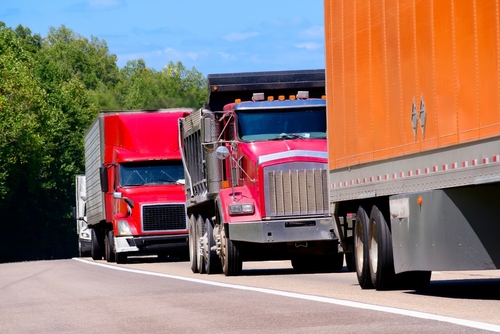 When it comes to fueling heavy-duty construction equipment, it’s all about power. Gasoline just doesn’t deliver the torque that’s needed to handle all that hauling, pushing, and pulling power: Think dump trucks, bulldozers, backhoes, cranes, forklifts, and concrete mixers. Those jobs require the power of diesel fuel. But when meeting deadlines counts, you can’t afford to take equipment off the site for refueling.
Discover how our fleet-fueling services deliver the power of diesel to your construction site.
On-site fueling is the process of delivering fuel directly to your job site so construction equipment and vehicles can refuel without traveling to a fueling station. Trucks designed for fueling other vehicles or equipment can bring on- and off-road diesel depending on what your fleet requires.
If you’re currently buying on-road diesel from a gas station for your off-road equipment, you are paying unnecessary taxes. From a chemical perspective, both fuels are identical. However, on-road diesel is clear, while off-road diesel is dyed a red color. That’s because off-road diesel is only for use in farm vehicles, construction equipment and vehicles that do not operate on public roads. Fuel for those types of vehicles is not taxed, so the cost is lower. The red dye identifies off-road diesel as untaxed fuel—and the fines are hefty if you get caught using it on an on-road vehicle. We’ll make sure you’re fueling your vehicles with the right fuel.
Dale’s on-site fueling service is designed to be flexible and work on your schedule, so you can refuel fleets overnight or during downtime, and avoid delays and disruptions. And working with a single dealer you can trust means you can count on high-fuel quality, reducing equipment problems that result from inferior discount fuel.
Our experienced team will work with you to customize a delivery schedule based on your current and future needs. Our staff has fuel management expertise that takes the stress and guesswork out of commercial fuel deliveries. We provide easy ordering and on-time deliveries so you can keep your focus on your business and your fleets on the road.
We know how important it is for you to get your diesel fuel on time. And if unexpected problems arise, we can usually handle same-day emergency deliveries.
If you think your construction operation can benefit from on-site fueling, or you have questions about how on-site fueling can work for you, the team at Dale Gas & Oil is here for you. We deliver on- and off-road diesel as well as gasoline to commercial customers across Outagamie, Waupaca, Winnebago, Waushara and Shawano Counties, and we can tailor a fleet fueling program for your operation
Our commercial and business partnerships are important to us, and we provide the same superb and attentive service to our commercial accounts as to our residential clients. We’re committed to delivering real value that goes beyond competitive prices.
Contact us for more information about commercial on- and off-road diesel fuel delivery now to become a customer today.
 If you are a facilities manager for a school or university, you know that costs are rising, and you need to fight for every dollar and justify every operating expense. Whether it’s a public or private institution, your school board needs has to answer to a range of stakeholders, and providing real value is essential. That’s where schools and universities can take a lesson from other businesses that use propane.
Propane is a clean, efficient and versatile fuel that can be used in a wide range of applications from heating to food service, and beyond. What’s more, is propane not only better for the environment—it’s also great for the bottom line, especially for educational institutions, where dollars are scarce. Here are seven smart ways propane can take you to the head of the class.
Compared to other heating fuels—including electricity—propane leaves a much smaller carbon footprint. It heats quickly and burns cleanly, and costs on average 2.5 times less per Btu than heating with electricity, according to the U.S. Department of Energy. Propane is also extremely safe, with a very narrow range of flammability.
Propane is great for heating spaces—it delivers twice the heating energy than natural gas, and heats spaces more quickly and evenly than electricity. Also, propane equipment runs more efficiently than heating oil equipment, and requires less maintenance and lasts longer. Whether you need to heat classrooms or dorms, propane offers clean, efficient and effective heat.
Everything that makes propane great at creating heat makes it just as efficient at heating water Propane water heaters generate much more hot water at a cheaper cost per gallon. That makes them ideal for commercial dishwashers in cafeteria kitchens, as well as for water heating for bathrooms and laundry rooms. Compact tankless propane water heaters can provide hot water to handwashing sinks in bathrooms and dorm kitchenettes on demand, rather than keeping huge tanks of water hot.
Whether your campus is serving three-plus meals a day to thousands of hungry college students or nourishing breakfasts and lunches to school children, any professional chef will tell you cooking with gas is the key to turning out consistently great food, cost-effectively. Propane allows for the temperature control you don’t get with electric cooktops, which improves cooking time, and reduces scorching and the resulting food waste.
Clean-burning propane can power much of the landscaping equipment you use to keep school grounds and athletic fields manicured. It will also power snowblowers in winter, reducing reliance on diesel-powered plowing. Propane also puts less wear on equipment, meaning less downtime for repairs out of the shop and keeping your groundskeepers working.
Propane autogas is a clean, green option for school busses and vans. It’s rapidly becoming the approved choice because it offers students an emission-free ride, while providing a cost-effective fueling option.
Wisconsin saw a record number of tornadoes in 2024. As weather patterns continue to change and storms get more powerful, we could see that level of weather activity becoming the norm—or extending beyond the summer peak into the fall or earlier in the spring. Reliable backup power is essential, particularly for colleges and universities with students living on campus. Propane-powered standby generators will come on automatically when the electricity goes down to keep essential buildings powered up.
Schools and universities have a different mission, but from an operating perspective, they share many of the same need as hotels, hospitals and nursing facilities—which all get great value from the versatility of propane. As the region’s leading provider of commercial propane services, Dale Gas & Oil can work with you to show you how propane can benefit your school and create a customized program.
Contact us today for more information.
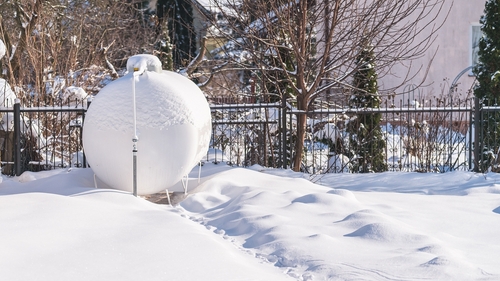 If you’ve spent even one winter in northeastern Wisconsin, you probably know how the cold can affect heating oil. But you may not have given much thought to how our frigid temperatures could affect propane—which is a gas.
You might be surprised to learn that propane is stored as a liquid in your tank—whether it’s a 150 gallon tank that provides fuel for heating your home, or the portable 15 gallon cylinders that you use to fire up your grill. However, unlike liquids like water that freeze at 32°F, propane is not affected by cold temperatures until it reaches -44°F. That’s below our average lows, which can get to -10°F and lower in January in these parts (though you could argue it feels -44°F).
Nevertheless, cold weather can still cause problems for the propane in your tank, particularly if your storage tank is above ground.
When it’s extremely cold outside, the volume of propane inside your aboveground propane tank will contract, resulting in a loss of pressure. The problem is, if the pressure becomes too low, the propane inside your tank will not be able to reach your gas burner. That means you may not be able to run your propane appliances, including your furnace or boiler. In addition to no heat, you need to worry about pipes freezing.
If you have a portable cylinder for your grill, it’s perfectly fine to leave it outside in the winter. By the time you’re ready to grill, any contraction from colder temps will have reversed. You should still store your tank safely in the winter. Never keep a propane tank indoors—even in a garage or shed. Propane tanks should always be kept in an open, well-ventilated, space, ideally out of the direct sun and at least 10 feet from your home. You should also make sure it’s in a secure, level, and upright position. Keeping your tank upright protects against damage that could lead to leaks.
The team at Dale Gas has the knowledge and resources to answer all your questions about the benefits of propane for your northeast Wisconsin home. And we can get you started, with the right size propane tank for your needs, reliable propane delivery, convenient pricing and billing options, and more.
Contact us for more information today.