
SERVING YOU WITH ENERGY

 For a lot of people, propane is the gas you use to fire up your grill, run appliances in your RV or maybe fuel a patio heater. When they learn it’s an efficient, eco-friendly, and versatile option for heating and other appliances in their homes, they have questions. If you’re looking for more information about propane gas, and all the ways you can use it to keep your family comfortable and manage energy costs, the team at Dale Gas has the intel.
People are often surprised at how versatile propane is. Because it can be stored in portable tanks, people see it primarily as the fuel they use when they’re camping. But propane can be used for heating, water heating, and running appliances that use heat and hot water, like laundry equipment. Propane is ideal for cooking, and is the top choice of professional chefs, because a gas range offers more precise control than you can get with an electric range.
Ever wished for a fireplace but don’t have a chimney? Propane lets you add a hearth that delivers loads of cozy charm without the soot, ash or mess—no chimney needed.
Propane will also power a backup generator that will automatically go on when the power goes down. That means you’ll have heat, lights, security systems and more without waiting for the utility trucks to come make repairs.
Good question! When it comes to using propane, it’s not very different from natural gas. That is, any way you can use natural gas in your home, you can use propane. But propane has some distinct differences—and benefits.
Propane is a byproduct of natural gas. As natural gas is processed, the liquid components are recovered, to prevent condensation from forming in natural gas pipelines. One of those components is propane gas.
Also, propane is delivered to your home and stored in a tank. You can select the dealer you choose, based on price alone, or based on the quality and reliability of the service.
To use natural gas, you need to live close enough to the infrastructure and be able to connect to the underground system of pipes that deliver gas to your home. You have to deal with a utility company, and don’t get a choice in where you order your fuel.
It’s another question that we get a lot—because on your invoice, we bill you per gallon. And the fact is, when we deliver it to you, propane is in its liquid form. To make propane easier to store and transport, it is compressed, which converts the gas to a liquid state. As it is released into the gas lines in your home, it expands into a gas. That’s why propane is also often referred to as Liquid Petroleum Gas, or LPG.
Propane generates more Btus of heat energy than an equivalent amount of electricity, and it delivers more than twice the Btus of natural gas, so you need much less propane to produce the same amount of heat or energy. Propane appliances are also very efficient, meaning they waste very little fuel in the combustion process. (On the other hand, about two-thirds of the energy used by a power plant to generate and transmit electricity is wasted.)
Propane water heaters generate much more hot water at a cheaper cost per gallon. In fact, according to the U.S. Department of Energy, homes that heat water with propane rather than electricity can see average annual savings of $174.
Propane is one of the cleanest fuels around. It produces minimal emissions. Propane also doesn’t harm soil or groundwater – an important factor when it comes to determining whether a fuel is “green.” Additionally, propane is a domestically sourced alternative fuel that can provide steady, reliable heat for a range of appliances at an affordable price.
Propane is very safe. Propane has very low combustibility, which means when it’s combined with air, the source of ignition must be at least 940°— twice as hot as what is required to ignite gasoline. While it’s a highly flammable gas under certain conditions, leaks are rare. Propane also has a distinct rotten-egg smell to help you quickly notice leaking gas. And, propane is nontoxic, posing no threat to soil and water, so installing propane tanks (above or below ground) is not regulated by the Environmental Protection Agency.
The team at Dale Gas has the knowledge and resources to answer all your questions about the benefits of propane for your northeast Wisconsin home. Converting a home to propane is a straightforward, easy process that will leave you with lower energy bills and support a cleaner environment. The average conversion takes about two days, with little disruption to your life or comfort.
And, we can get you started, with the right size propane tank for your needs, reliable propane delivery, convenient pricing and billing options, and more. Contact us for more information today.
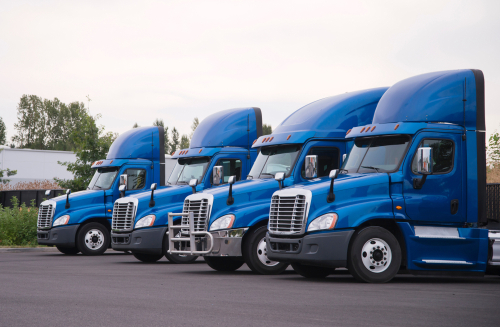 When you operate a fuel of diesel trucks, you have to budget for diesel fuel costs. It’s a nonnegotiable cost of doing business, and yet it can be extremely volatile. That can hit your bottom line, and it can affect your customers, too. We get it: We’ve been operating a fleet of diesel trucks for 75 years. One thing we’ve learned is that fuel efficiency can go a long way to helping keep costs under control, particularly when so much about the cost of fuel is out of your control. Taking a few easy measures to ensure your fleet is running efficiently can be a game changer.
Regularly scheduled maintenance, including oil changes, filter replacements, and engine tune-ups, can help ensure that your vehicles are running at their peak performance levels. Keeping your vehicles in good shape is not only good for fuel efficiency, but it reduces costly breakdowns and downtime for repairs.
Maintaining proper tire pressure and ensuring wheel alignment will also improve performance, because vehicles won’t have to work as hard; that translates into fuel savings over the long term.
Another easy change is switching to synthetic oil. Synthetic oil has lower viscosity and helps reduce friction, which can optimize vehicle performance and enhance efficiency.
Improved aerodynamics isn’t just for racecars. It plays a significant role in the fuel efficiency of commercial vehicles, too. It’s particularly true if your fleet is driving at highway speeds. You can reduce drag—that is, anything that creates resistance as a vehicle is moving through air—with some simple adjustments. Consider adding aerodynamic fairings, side skirts, and trailer tails to reduce drag and improve fuel economy.
Teach your drivers efficient driving techniques. Simply practicing proper acceleration and braking, maintaining steady speeds, and avoiding excessive idling will significantly improve fuel efficiency. Consider developing an incentive program for your drivers based on fuel-efficient performance to encourage more eco-friendly and fuel-efficient driving habits.
If you don’t already do this, you will be surprised at the difference efficient route planning and vehicle utilization can make when it comes to maximizing fuel efficiency. GPS technology and route optimization software can help identify the most fuel-efficient routes and reduce unnecessary mileage. Optimizing vehicle load capacity and reducing empty trips can further improve fuel efficiency by ensuring that each vehicle is operating at maximum efficiency.
If you’re fueling your fleet at retail gas stations, you can probably save money—and improve efficiency—by switching to fleet fueling.
For starters, you get to take advantage of wholesale pricing and bulk fuel discounts, but fleet fueling also delivers savings on mileage and miles-per-gallon. When you consider the cost per mile to operate each of your fleet vehicles, the cost to send them just a few miles out of the way to fuel up really add up! Onsite delivery removes those costs.
You’ll also receive detailed invoices (instead of gas station receipts that can get lost) so you can more accurately track your fuel usage to reduce waste.
Our team understands the importance of fuel efficiency—and we know how it affects your bottom line just like it does our own. Dale Gas delivers gasoline as well as on- and off-road diesel to commercial customers across Outagamie, Waupaca, Winnebago, Waushara and Shawano Counties, and we can tailor a fleet fueling program for your operation to get you on the road to savings. Contact us for details today.
 The gang’s all here! You’ve got pile of chicken, burgers or bbq ready to go to only to discover your grill won’t light, the flames are low, or there’s an unexpected hissing sound coming from your grill tank. Never fear: We’ve got solutions to help you troubleshoot these common gas grill problems. Just put out an extra bowl of chips while you make repairs.
The flame in a propane gas grill should always be blue. Orange or yellow flames are a sign that there’s something obstructing the burner. This is a particularly common problem if your grill has been unused for a while. Insects like spiders love to make a home in your burner tubes, and leaves, dust and other debris can find their way in and block burners if you’re not covering the unit properly between uses. To fix the problem, wait until your grill is at a cool temperature and clean the burners. Then run the grill on high for about 15 minutes to burn off any remaining debris.
The most common cause of low flames is the fuel regulator. They can get stuck, and thus limit the amount of gas being sent from your propane cylinder to your grill. That means sparse flames and a lower grill temperature. To fix the problem, you need to “unstick” it by releasing the pressure on the regulator. Don’t panic—it’s easy. Start by opening the grill hood and leave it open. Turn off everything on the grill, including the gas flow and the propane cylinder, then disconnect the regulator from the cylinder. Wait about five minutes and then reconnect the regulator to the cylinder. Open the propane cylinder supply valve very slowly. Wait for one minute, then light the grill.
If the grill won’t light, you have an igniter problem. The two most common types of propane grill igniters are piezo, which do not require batteries or electricity, and battery-powered or push-button igniters.
If you have a battery-powered igniter, replace the batteries.
If you have a piezo igniter, try lighting the burners with a match or lighter. Inspect the grill for cracks in the ceramic tube and breaks in the metal tip. Make sure wires are plugged into the spark generator. If these tips do not work, you’ll need to contact a professional to properly diagnose and correct the problem.
If you hear a hissing coming from the propane cylinder connected to your grill, immediately extinguish all flames and turn off the gas—it may be a small leak. The good news, especially if it’s a hot, sunny day, is that the hissing sound you are hearing is because the pressure-relief valve is open.
Propane expands as it heats up. This is why propane storage tanks of any size are filled to 80% capacity, ensuring there is room for expansion. That’s also why every propane storage tank—including the small portable cylinders you use with your grill, as well as the bigger tanks for your home—have a pressure-relief valve that opens as soon as the pressure reaches a specific point. The result is some hissing as the pressure is slowly released, preventing your tank from rupturing.
If the pressure-relief valve is open, do not try to close it. It will close automatically when the pressure returns to a safe level. You can help cool your tank by spraying it with cool water from a hose.
If the hissing continues, or it’s not a particularly hot or sunny day, you may have a leak. Disconnect the tank, place it in a well-ventilated area and let it empty out. Once it’s empty, you can return it. Never transport a leaking propane cylinder.
This is the easiest problem to fix: Dale gas offers safe and convenient tank refills at our Dale, WI location. It’s always smart to have a spare cylinder on hand. And ask about cylinder refill specials!
For cylinder refills or propane deliveries for your home, find out why families and businesses in Outagamie, Waupaca, and Shawano Counties, WI, trust Dale Gas for all their propane service needs. Contact us for more information and hours.
 No matter what type of business you are in these days, you are always walking a tightrope, delivering a great product or service and while keeping your eye on efficiency, cost and value. That’s why you should know all the benefits of commercial propane. Commercial propane is used in manufacturing, construction, warehousing, agriculture, landscaping, hospitality, and a broad range of other industries. And whether you need bulk propane for your business, or a cylinder exchange program, Dale Gas can help you make the most of propane for your business.
You may know how great propane is for heat, hot water and cooking at home. But when it comes to commercial, industrial and agricultural uses, propane can do even more. It can be used for heating, for operating machinery, and running vehicles. What’s more, propane is better for the environment—and your bottom line. Compared to other heating fuels, including electricity, propane has a lot to offer:
Propane delivers consistent heat ideal for warming livestock barns, hatcheries, greenhouses, and it’s nontoxic, and can’t harm soil or groundwater. Clean-burning propane can power much of your landscaping and agricultural equipment, from commercial mowers to irrigation engines. Propane puts less wear on equipment, keeping it out of the shop and keeping your operations running smoothly.
Warehouse management, construction, and industrial facilities rely on forklifts. Let our team show you why propane fueled forklifts will keep your operation running smoothly with less downtime. Here are just a few of the advantages:
Propane’s versatility is a plus for your business or job site. In addition to forklifts, propane can be used to power a wide range of equipment, including:
Professional chefs prefer gas for cooking. Hotels, hospitals, nursing facilities all benefit from propane for cooking, water heating and space heating, as well as for industrial washers and clothes dryers, just to name a few.
If you’re already a Dale customer, you know we provide the same superb and attentive service to our commercial accounts as to our residential clients. We value our commercial partnerships and we’re proud to support businesses large and small all over northeastern Wisconsin.
Contact us today to learn more.
 Whether you’re a new homeowner who has never run a home with propane, or you’re thinking of making the switch to propane, if you’re new to propane, you might be surprised by all the different sizes of propane tanks. And if you’ve used portable propane tanks for grilling or camping, you’re probably used to propane measured in pound. So why are larger storage tanks measured in gallons? Of course, the most important question is how do you know what tank is the right size for your needs? The good news is that the expert team at Dale can answer all your questions—and we’ll probably ask you a few—to help you understand all your options and make sure you get the right size propane storage tank for your home or business.
Propane, also known as “Liquid Propane Gas” or LPG, is stored in a liquid state under pressure. When dispensing propane into a large tank, it’s much easier to measure the quantity in gallons. But for smaller tanks, weight is an easier measurement. That’s why the portable tanks you use with your grill or RV are measured in pounds, but residential propane tank size is usually given as their water capacity volume in gallons.
Here’s something else that’s good to know: The liquid gas needs room to expand into a vapor in order to flow through your gas lines. That’s why propane tanks are “filled” to 80% of its liquid capacity. For example, a 120-gallon tank holds approximately 100 gallons of propane.
The key to determining the best size tank for you is knowing how you will be using propane. We’ll ask you about whether you will use it just for cooking, or for heating water, heating your home, and more. Another factor, particularly for heating water, is how many people are living in your home. And for heating, the size of your home is a consideration. There are a lot of variables to consider, but we can help you take the guesswork out of calculating the best size tank for your needs.
Here’s a general guide to tank size:
Our team has plenty of experience, so we can help you choose the best size tank for your needs. We’ll also help identify the best location for your tank, including whether underground or above ground is best, and make sure it’s installed safely. We’re experts at installing tanks for all kinds of homes and businesses and we’re always happy to answer all your questions, whether you’re new to propane or just need to replace your tank.
Just as important as having the right size tank is knowing that you have reliable propane delivery service to ensure you always have propane. Find out why customers across northeastern Wisconsin choose Dale Gas for prompt, safe, and courteous heating and cooling services as well as propane and heating oil delivery for their homes and businesses. Contact us today to learn more and become a customer.
 Summer takes it’s time to arrive in Wisconsin, but when it gets here, nothing’s sweeter—or seemingly shorter. That means taking advantage of the balmy weather and long evenings outside are perfect is important.
A propane grill makes entertaining family and friends easy—you great control, fast heating, no charcoal and easy cleanup. But before you get the party started, make sure you know these important facts about safe handling of propane grill tanks.
Here’s what you need to know:
Not sure you know how to remove your grill tank? It’s as easy as 1-2-3:
To attach the new tank, just follow the steps in reverse!
Make sure nothing ruins your summer fun. Have your outdoor propane appliances inspected and serviced every year by a professional propane service technician and clean and inspect your equipment frequently throughout the summer to spot any potential signs of problems. Have question about propane safety? We’re always happy to take your call.
Propane is a versatile fuel that can power all sorts of backyard appliances including grills, deck and patio heaters, pool and spa heaters, insect traps, firepits and fireplaces—and more. Dale gas makes it easy to keep the good times going with easy grill tank sales and refills. Just come by our store to fill up your tank or pick up a spare. Contact us today more information!
 If you’ve ever left a car sitting with a tank full of gas for an extended period of time, you may have learned the hard way that, after about six months, its chemical properties change and it won’t burn properly. Diesel only lasts a little longer. Because of their vegetable-based composition, ethanol and bio-based fuels will degrade and evaporate after only a few months. Heating oil can be stored for about 18 months—but unless your tank is full, condensation inside the tank will lead to sludge that will damage your equipment.
Propane, on the other hand, never “goes bad.” That’s why propane is such a smart choice for all kinds of appliances and equipment in your home, like water heaters, home heating systems and laundry machines, which you use regularly, but also for those you use sporadically, like space heaters and fireplaces. Propane is particularly smart for whole-house generators. Hopefully, you don’t need to use it often, but you will have peace of mind knowing that the fuel will work when you need it.
Since propane has no shelf life, you might think having a big supply on hand makes sense. And it might, if you have the space to store it. But a huge tank is not pretty—and putting a huge tank underground is expensive and requires a certain amount of space.
The better solution is finding the sweet spot: the right size tank for your home and your needs so you need a delivery every two or three months. That’s where the team at Dale Gas can help.
If you use propane to power an appliance or two, a 500-gallon tank could last as much as 14 months. If you use propane to heat your home, your water and run multiple appliances, you’ll probably need a fill-up every six to eight weeks. That’s based on data from the U.S. Energy Information Administration, which finds the average American home uses about 750 gallons each winter.
Of course, different appliances burn propane at different rates, and the age of your heating equipment and appliances will also affect efficiency.
Some appliances use a lot of propane—pool heaters, for example. On the other hand, a propane range only uses about 35 gallons a year. If that’s your only propane appliance, a 500-gallon tank will last 11 years. A propane fireplace uses about 200 gallons a year.
A traditional water heater burns about 1.5 gallons of propane a day, or about 200-300 gallons per year. Since they heat on demand, a tankless water heater will use less: between a half a gallon and two gallons per running hour.
The size of your home will have a big effect on how much propane required to heat it. A 500-gallon tank is the minimum size you’d need if you plan to heat your 2,000-square-foot home with propane. As your square footage moves toward 3,500-4,000 square feet, you might want a bigger tank.
Another factor is the size of your household: one or two people will use less hot water, run fewer loads of laundry and so on than a family of five.
One of the many benefits of running your home with propane is that you can also use propane to power a whole house generator. When storms bring down power lines, a stand-by generator goes on automatically, and can run key equipment or everything in your home. And the average 5000-watt stand-by generator will run for 7 to 10 days on a 500-gallon propane tank.
At Dale Gas, our pros can help assess your needs and make sure you get a tank that makes sense for your northeast Wisconsin home. We can also set you up with convenient automatic delivery service, so you don’t have to think about scheduling a delivery at all.
Contact us for more information and to become a customer today.
 In the highly competitive hospitality industry, where meeting the expectations of your guests is crucial, it becomes paramount to rely on dependable and efficient services. That’s where the reputable and trusted commercial propane solutions offered by Dale Gas & Oil step in to make a significant impact.
With our expertise and commitment to excellence, we ensure that your guests’ satisfaction remains at the forefront, enhancing their experience and setting your establishment apart from the competition. Trust Dale Gas & Oil to provide top-notch commercial propane services that will elevate your hospitality business to new heights of success.
Our tailored propane supply services are designed specifically for hotels, restaurants, and resorts. We offer a smooth and reliable fueling experience that you can rely on, every single day.
Enhance your guest experience with our specialized propane services. We comprehend the complexities and the substantial demands of the hospitality industry. Whether you own a restaurant, hotel, B&B, lakeside resort, or short-term rentals, our propane solutions are meticulously crafted to ensure seamless operations that exceed expectations.
When it comes to the propane needs of your hospitality business, trust is paramount. With nearly 80 years of experience serving businesses in Northeast Wisconsin, Dale Gas & Oil has established itself as a reliable and reputable choice. Here are a few reasons why we stand out from the rest.
Consistency you can count on: Having a reliable propane supply is absolutely crucial for uninterrupted service in the hospitality industry. At Dale Gas & Oil, we deeply understand the significance of this and strive to exceed expectations in ensuring that you never have to worry about any fuel shortages. With our well-established and robust supply chain, we have taken every possible measure to ensure that propane is readily available whenever and wherever you need it. Rest assured, we’ve got you covered with a seamless and hassle-free propane solution that you can always rely on.
Customized and flexible propane delivery services: We know that your business operates beyond the confines of a traditional 9-to-5 schedule, and so do our delivery services. We understand that your operational needs may differ and that’s why we provide flexible delivery options tailored to your specific requirements. Whether you prefer on-demand deliveries, scheduled shipments, or even emergency services, we have all your needs covered.
No need to worry if you have an unexpected influx of guests! Our prompt propane supply response ensures that you’ll never run out of fuel, so you can focus on delivering a seamless experience for your customers. With our dependable and efficient delivery services, you can have peace of mind, knowing that your business is fully equipped to handle any situation that may arise.
Propane plays a crucial role in the hospitality industry, serving as a vital energy source that powers a wide range of functions, all of which contribute to delivering exceptional guest experiences. For example, in restaurants, propane is the go-to choice for kitchen appliances due to its ability to provide precise temperature control, resulting in perfectly cooked meals. Moreover, propane is employed for heating purposes, whether it be for outdoor dining areas with space heaters or guest accommodations with central heating systems. Additionally, resorts and hotels rely on propane to ensure guest comfort, using it for amenities like pool and spa heaters. Furthermore, propane serves as a reliable backup power source, allowing seamless operations during power outages with the assistance of backup generators. Overall, propane is an indispensable energy solution in the hospitality industry, guaranteeing optimal performance and an outstanding guest experience.
At Dale Gas & Oil, you can rely on us for all your hospitality business’ propane requirements. We go beyond being a mere supplier – we are your trusted partner in hospitality, dedicated to providing a more reliable and efficient service experience. Contact us today to explore how we can customize our propane solutions to perfectly fit your business needs.
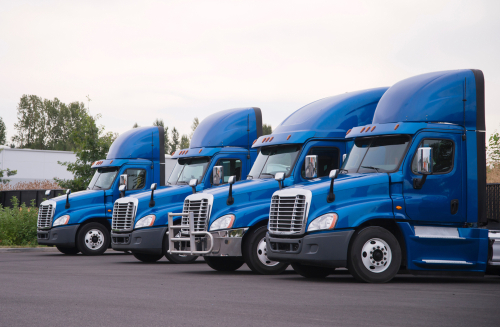 If your business in Northeastern Wisconsin operates a fleet of trucks or buses, effective diesel fuel management is crucial for ensuring your business’s success. Properly managing their fueling is an essential component that contributes to your overall operations and profitability.
For decades, businesses like yours have relied on Dale Gas & Oil for convenient on-site diesel fueling services. We ensure that your buses and trucks are always ready to hit the road.
Dale Gas & Oil delivers both on-road diesel and off-road diesel. We enhance our diesel fuels with Schaeffer’s premium diesel-fuel additives. These additives offer a multitude of benefits, including increased cetane levels, improved horsepower, enhanced mileage, and effective control of moisture and bacteria. Furthermore, during cold weather, we utilize Schaeffer’s winter premium additives to optimize flow and moisture control.
As a highly versatile transportation fuel, diesel fuel offers a wide range of performance, efficiency, and safety features that cater to various applications. With its exceptional energy density, diesel fuel surpasses other liquid fuels by providing a greater amount of useful energy per unit of volume, making it an ideal choice for powering a diverse array of vehicles and equipment. Additionally, the inherent stability and low volatility of diesel fuel contribute to its excellent storage and handling characteristics, ensuring optimal safety and reliability in various operational environments.
Diesel fuel, produced from crude oil and refined in petroleum plants, can be categorized into two types: on-road diesel and off-road diesel. In the United States, these fuels are commonly referred to as ultra-low sulfur diesel (ULSD), which contains a maximum of 15 parts per million of sulfur content.
The United States produced 1.75 billion barrels (73.46 billion gallons) in 2022.
Biodiesels, derived from plant oils, animal fats, and other biomass, are not only reducing sulfur levels in diesel fuels but also serving as a means to decrease emissions and minimize engine wear. This remarkable advancement is making both on-road and off-road diesel more environmentally friendly.
Despite having the same chemical composition, on-road and off-road diesel fuels vary in terms of their intended applications.
On-road diesel is used for cars, trucks, buses, and shuttles that travel on public roads, while off-road diesel is utilized for vehicles and machines that don’t operate on public streets.
Off-road diesel vehicles and equipment are exempt from the federal excise tax that is applicable to on-road diesel, as they are not intended for transportation purposes. Off-road diesel can be identified by its distinctive red color, similar to heating oil. This visual distinction ensures that it is used exclusively for its intended purpose: off-road use. Violations of this regulation may result in significant fines for each offense. In Wisconsin, the penalty can be as high as $10 per gallon or up to $1,000 per violation.
Get reliable diesel fuel service for your business from Dale Gas & Oil! Contact us today for a consultation.
 If you’re unfamiliar with having propane in your home, you might be curious about how to effectively manage your propane supply.
Understanding how to accurately measure the propane level in your tank is of utmost importance. This involves becoming proficient in interpreting the tank gauge, but fret not, as it is an uncomplicated endeavor. Reading the gauge of your propane tank is as effortless as 1, 2, 3!
Monitoring the propane tank gauge may appear effortless, yet it is susceptible to slipping our minds amidst the demands of a busy life.
Failure to monitor the propane tank’s level can result in various complications. It may leave you in a challenging situation where you unexpectedly run out of propane, requiring an emergency delivery with additional charges. In the worst-case scenario, your propane supply could be completely depleted. This not only necessitates an emergency propane delivery but also entails a pressure test on your propane tank and the expertise of a service technician to relight all the pilots of your propane appliances. All these expenses will be your responsibility to bear.
At Dale Gas & Oil, we are dedicated to providing reliable propane delivery services. We take pride in offering a variety of options, including our popular Automatic Delivery feature and advanced wireless propane tank monitoring. Say goodbye to the hassle of managing your home’s propane supply. Rest assured, we have you fully covered.
If you’re an astute observer, you may have noticed that propane tanks are not completely filled. But why is this the case? The answer lies in the utmost importance placed on propane safety.
Similar to water, propane undergoes expansion when heated. However, the expansion rate of propane is approximately 17 times greater than that of water for an equivalent temperature rise. To prioritize safety, it is crucial not to fill the propane tank to its maximum capacity. Allowing for some empty space within the tank ensures the propane can safely expand in hot weather while maintaining the tank’s security.
Aboveground propane tanks are usually filled up to approximately 80% capacity, while in-ground tanks can be filled slightly higher. The rationale for this lies in the insulation offered by the surrounding ground for underground tanks, protecting them from sudden temperature changes. This precautionary step guarantees the longevity and stability of the tanks, shielding them from possible damage.
With Automatic Delivery and wireless propane tank monitoring from Dale Gas & Oil, you’ll have the utmost peace of mind about your home’s propane supply. Become a customer today!