
SERVING YOU WITH ENERGY

Written on: August 26, 2024
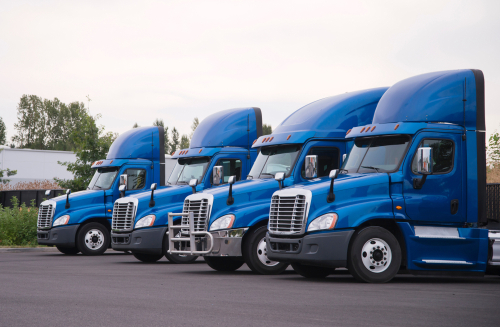 When you operate a fuel of diesel trucks, you have to budget for diesel fuel costs. It’s a nonnegotiable cost of doing business, and yet it can be extremely volatile. That can hit your bottom line, and it can affect your customers, too. We get it: We’ve been operating a fleet of diesel trucks for 75 years. One thing we’ve learned is that fuel efficiency can go a long way to helping keep costs under control, particularly when so much about the cost of fuel is out of your control. Taking a few easy measures to ensure your fleet is running efficiently can be a game changer.
Regularly scheduled maintenance, including oil changes, filter replacements, and engine tune-ups, can help ensure that your vehicles are running at their peak performance levels. Keeping your vehicles in good shape is not only good for fuel efficiency, but it reduces costly breakdowns and downtime for repairs.
Maintaining proper tire pressure and ensuring wheel alignment will also improve performance, because vehicles won’t have to work as hard; that translates into fuel savings over the long term.
Another easy change is switching to synthetic oil. Synthetic oil has lower viscosity and helps reduce friction, which can optimize vehicle performance and enhance efficiency.
Improved aerodynamics isn’t just for racecars. It plays a significant role in the fuel efficiency of commercial vehicles, too. It’s particularly true if your fleet is driving at highway speeds. You can reduce drag—that is, anything that creates resistance as a vehicle is moving through air—with some simple adjustments. Consider adding aerodynamic fairings, side skirts, and trailer tails to reduce drag and improve fuel economy.
Teach your drivers efficient driving techniques. Simply practicing proper acceleration and braking, maintaining steady speeds, and avoiding excessive idling will significantly improve fuel efficiency. Consider developing an incentive program for your drivers based on fuel-efficient performance to encourage more eco-friendly and fuel-efficient driving habits.
If you don’t already do this, you will be surprised at the difference efficient route planning and vehicle utilization can make when it comes to maximizing fuel efficiency. GPS technology and route optimization software can help identify the most fuel-efficient routes and reduce unnecessary mileage. Optimizing vehicle load capacity and reducing empty trips can further improve fuel efficiency by ensuring that each vehicle is operating at maximum efficiency.
If you’re fueling your fleet at retail gas stations, you can probably save money—and improve efficiency—by switching to fleet fueling.
For starters, you get to take advantage of wholesale pricing and bulk fuel discounts, but fleet fueling also delivers savings on mileage and miles-per-gallon. When you consider the cost per mile to operate each of your fleet vehicles, the cost to send them just a few miles out of the way to fuel up really add up! Onsite delivery removes those costs.
You’ll also receive detailed invoices (instead of gas station receipts that can get lost) so you can more accurately track your fuel usage to reduce waste.
Our team understands the importance of fuel efficiency—and we know how it affects your bottom line just like it does our own. Dale Gas delivers gasoline as well as on- and off-road diesel to commercial customers across Outagamie, Waupaca, Winnebago, Waushara and Shawano Counties, and we can tailor a fleet fueling program for your operation to get you on the road to savings. Contact us for details today.