
SERVING YOU WITH ENERGY

Written on: October 28, 2024
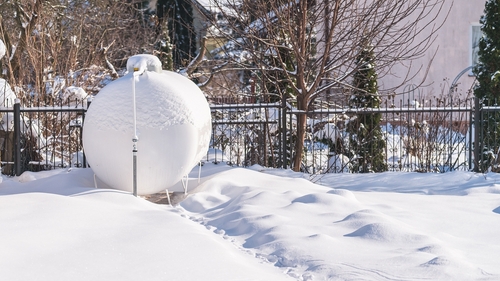 If you’ve spent even one winter in northeastern Wisconsin, you probably know how the cold can affect heating oil. But you may not have given much thought to how our frigid temperatures could affect propane—which is a gas.
You might be surprised to learn that propane is stored as a liquid in your tank—whether it’s a 150 gallon tank that provides fuel for heating your home, or the portable 15 gallon cylinders that you use to fire up your grill. However, unlike liquids like water that freeze at 32°F, propane is not affected by cold temperatures until it reaches -44°F. That’s below our average lows, which can get to -10°F and lower in January in these parts (though you could argue it feels -44°F).
Nevertheless, cold weather can still cause problems for the propane in your tank, particularly if your storage tank is above ground.
When it’s extremely cold outside, the volume of propane inside your aboveground propane tank will contract, resulting in a loss of pressure. The problem is, if the pressure becomes too low, the propane inside your tank will not be able to reach your gas burner. That means you may not be able to run your propane appliances, including your furnace or boiler. In addition to no heat, you need to worry about pipes freezing.
If you have a portable cylinder for your grill, it’s perfectly fine to leave it outside in the winter. By the time you’re ready to grill, any contraction from colder temps will have reversed. You should still store your tank safely in the winter. Never keep a propane tank indoors—even in a garage or shed. Propane tanks should always be kept in an open, well-ventilated, space, ideally out of the direct sun and at least 10 feet from your home. You should also make sure it’s in a secure, level, and upright position. Keeping your tank upright protects against damage that could lead to leaks.
The team at Dale Gas has the knowledge and resources to answer all your questions about the benefits of propane for your northeast Wisconsin home. And we can get you started, with the right size propane tank for your needs, reliable propane delivery, convenient pricing and billing options, and more.
Contact us for more information today.